

Scaling a crypto exchange for sustainable growth in 2025 requires robust infrastructure, advanced security, and user-focused strategies. The exchange must implement multi-factor authentication, cold storage, and regular audits, as 82% of data breaches target cloud-based data and $2 billion in crypto was stolen in 2023 alone. Adaptability and innovation drive success; exchanges that embrace AI and agile compliance maintain user trust and navigate evolving regulations. A comprehensive business plan, combined with secure, scalable systems and a focus on user experience, forms the foundation for how to scale crypto exchange business and achieve lasting growth.
Key Takeaways
Build a strong business plan that covers security, compliance, infrastructure, and user retention to support sustainable growth.
Invest in scalable technology and military-grade security to handle high trading volumes and protect user assets.
Enhance liquidity by partnering with market makers, diversifying assets, and offering easy fiat on/off-ramps.
Expand product offerings with margin trading, staking, lending, and advanced API integration to attract diverse users.
Focus on user experience with mobile-friendly design, personalization, accessibility, and responsive support to boost engagement and loyalty.
Readiness for Growth
Business Plan Essentials
A robust business plan sets the foundation for any crypto exchange aiming for sustainable growth. Leaders in the industry outline operational costs, liquidity reserves, and security measures as top priorities. They forecast spending on infrastructure and compliance to ensure the exchange can handle market volatility. Security and compliance strategies include cold wallet storage, firewalls, and KYC/AML procedures. Technical infrastructure must support scalability, using microservices and cloud or hybrid environments. High availability, with real-time monitoring and failover mechanisms, keeps the exchange running 24/7. Marketing and user retention strategies, such as loyalty programs and trading competitions, help attract and keep users. Legal compliance, financial capacity, and continuous product innovation round out the essentials for a successful crypto exchange business plan.
Market Research
Market research reveals rapid changes in the crypto landscape. The global crypto exchange platform market is projected to grow at a CAGR of 27.8% from 2022 to 2030. Centralized exchanges still dominate, but decentralized exchanges are gaining traction, with trading volumes reaching $29 billion in late 2023. AI-driven trading and robo-advisors are emerging as key trends, helping exchanges optimize risk management and trading precision. Regulatory changes and increased adoption by traditional financial institutions signal a maturing market. Regional shifts highlight the importance of targeting key areas like North America, Asia Pacific, and Europe. Understanding these trends allows exchanges to adapt strategies and capture new opportunities.
Resource Assessment
Assessing resources ensures the exchange can scale efficiently. Operators track trading volume, liquidity ratio, and server uptime to measure readiness. For example, top exchanges process over $1 billion monthly, while server uptime benchmarks exceed 98%. Security incident frequency and user acquisition cost also guide resource allocation. The table below summarizes key metrics:
Metric Name | Purpose/Definition | Importance for Scaling | Benchmark/Insight |
|---|---|---|---|
Trading Volume | Total value of transactions | Reflects activity and growth | $1B+ monthly for top exchanges |
Liquidity Ratio | Order fill efficiency | Ensures smooth trading | 80%+ for established exchanges |
Server Uptime | Platform operational time | User satisfaction, reliability | 98%+ uptime |
User Acquisition Cost | Cost to gain new users | Budgeting and scaling | $50-$200 typical range |
By monitoring these metrics, a crypto exchange can implement strategies that support lasting growth and widespread crypto adoption.
Infrastructure
Scalability Solutions
Crypto exchanges must prioritize scalability to handle rapid growth and unpredictable trading surges. A scalable architecture forms the backbone of any successful platform. Leading exchanges like Binance process up to 1.4 million transactions per second. High-capacity matching engines achieve sub-100 microsecond latency, ensuring trades execute quickly and accurately. These systems often reach throughputs of 100,000 transactions per second, supporting high-frequency trading and advanced strategies.
Aspect | Numerical Evidence | Significance |
|---|---|---|
Matching Engine | Binance handles up to 1.4 million transactions/sec | Supports massive trading volumes. |
Matching Engine Latency | Sub-100 microsecond latency | Enables efficient order processing. |
Matching Engine Throughput | Up to 100,000 TPS in high-performance engines | Maintains fast and accurate trade execution. |
Query Performance | 40% reduction in query times via partitioning/caching | Improves responsiveness. |
Lag Reduction | 60% lag reduction during peak traffic with auto-scaling | Handles traffic surges. |
Backend Speed | 25% faster backend processing with microservices and async calls | Enhances system throughput. |
Exchanges use load balancing and auto-scaling to reduce lag by up to 60% during peak periods. Microservices and asynchronous calls boost backend speed by 25%. These improvements ensure users experience minimal downtime and fast order execution, even when trading volumes spike. Crypto platforms that invest in scalable solutions can adapt to market changes and maintain user trust.
Tip: Regularly test infrastructure under simulated peak loads to identify bottlenecks before they impact real users.
Military-Grade Security
Security stands as the most critical factor for any crypto exchange. Operators must deploy military-grade security to protect assets and user data. This includes multi-factor authentication, cold wallet storage, and regular security audits. The Ascendum case study highlights how military-grade security, such as secure dashboards and real-time monitoring, increases satisfaction and readiness within weeks.
Crypto exchanges face constant threats from hackers. In 2023, attackers stole over $2 billion in crypto assets. Security measures like firewalls, intrusion detection, and encrypted communications help prevent breaches. Combining centralized and decentralized systems with robust security at scale reduces theft risks and builds user confidence.
Benefit/Feature | Description |
|---|---|
Centralized and decentralized systems with regular audits protect assets and reduce theft risks. | |
Scalability | Optimized trading engines and strong networks support many users and trading activities. |
High Performance | High-frequency trading systems and scalable networks ensure reliable and fast trading services. |
Quicker Transactions | Centralized order matching enables fast trade execution, while decentralized systems enhance speed and transparency. |
Liquidity | Centralized order books and decentralized liquidity pools offer competitive prices and stability. |
Regulatory Compliance | Hybrid models allow adherence to local regulations while preserving decentralized features. |
Interoperability | Integration with various blockchain networks accommodates evolving blockchain complexities. |
Community Governance | User participation in decision-making improves trust and transparency. |
Security and compliance go hand in hand. Exchanges must implement KYC/AML procedures and monitor for suspicious activity. These steps help meet regulatory requirements and protect the platform from legal risks.
Hybrid and White-Label Models
Hybrid exchange models combine the strengths of centralized and decentralized systems. Centralized order books deliver fast trade execution and deep liquidity. Decentralized components add transparency and user control. This blend allows exchanges to scale quickly while maintaining high security standards.
White-label solutions offer a fast track for new entrants. These platforms provide ready-made infrastructure, security features, and compliance tools. Operators can customize branding and user experience without building from scratch. White-label models support rapid scaling and reduce time to market.
Hybrid and white-label models also support interoperability. They integrate with multiple blockchain networks, enabling asset diversification and cross-chain trading. Community governance features let users participate in decision-making, which increases trust and engagement.
Note: Choosing the right model depends on business goals, target markets, and regulatory environments. Evaluate each option carefully to align with long-term scaling objectives.
Crypto exchanges that invest in robust infrastructure, advanced security, and flexible models position themselves for lasting growth. These strategies ensure platforms can handle increased demand, protect user assets, and adapt to the evolving crypto landscape.
Liquidity & Asset Expansion
Market Makers
Market makers play a vital role in building liquidity for any crypto exchange. They place buy and sell orders at different price levels, which helps create a deep order book. This depth allows users to trade large amounts of crypto without causing big price swings. CoinDesk tracks order book data every minute, showing how market makers improve liquidity and reduce slippage. For example, Bitget’s TON/USDT pair shows about $2.3 million in order book depth, while Binance’s ADA pair has $2.5 million. Market makers also tighten bid-ask spreads, sometimes reducing them from 6% in illiquid markets to just 0.2% in active ones. This makes trading more stable and lowers costs for users. Their constant activity ensures that even during market stress, the exchange remains orderly and liquid.
Exchange | Cryptocurrency Pair | Order Book Depth (approx.) |
|---|---|---|
Bitget | TON/USDT | $2.3 million |
Binance | ADA | $2.5 million |
MEXC | TRX | $6 million |
Binance | AVAX | $2.5 million (150 levels), $1.6 million (1% from price) |
MEXC | AVAX | $3.8 million (1% from price) |
Asset Diversification
Asset diversification helps a crypto exchange reduce risk and attract more users. By listing a wide range of tokens and traditional assets, the exchange can appeal to different trading strategies and investor preferences. Studies show that mixing crypto with stocks leads to better risk-adjusted returns, with Sharpe ratios around 0.4. This approach outperforms investing only in bitcoin or stock indexes. Ranking assets by their chance of loss and how much they might lose also improves returns. Diversification helps exchanges manage volatility and supports broader adoption by offering more choices to users.
Fiat On/Off-Ramps
Fiat on/off-ramps make it easy for users to move money between crypto and traditional currencies. These features improve liquidity by allowing quick deposits and withdrawals. Exchanges that offer clear fee structures, strong regulatory compliance, and user-friendly interfaces build trust and confidence. Responsive customer support and smooth integration with banks help users complete transactions faster and with fewer problems.
Compliance with regulations adds security.
Good customer support and easy interfaces improve the experience.
Fast fiat on/off-ramps boost liquidity and encourage more trading.
These factors work together to make the exchange more efficient and accessible, supporting growth in the crypto market.
Product Expansion
Margin & Futures
Margin and futures products have become essential for any crypto exchange aiming to attract both retail and institutional traders. These advanced offerings allow users to speculate on price movements without owning the underlying crypto assets. The global crypto trading platform market reached $27 billion in 2024, with a projected CAGR of 12.6% driven by the popularity of derivatives. Retail investors held 43% of the market share, while professional traders increasingly used algorithmic trading and margin tools. The table below highlights key trends:
Aspect | Evidence Summary |
|---|---|
Market Size 2024 | $27 billion |
CAGR (2025-2034) | 12.6% |
Derivative Instruments | Futures, options, perpetual contracts |
Retail Investor Share | 43% in 2024 |
Margin Trading CAGR | Fastest growth due to leverage |
Exchanges that offer margin and futures trading can support a wide range of trading strategies, increase trading volumes, and appeal to users seeking leverage and risk management tools.
Staking & Lending
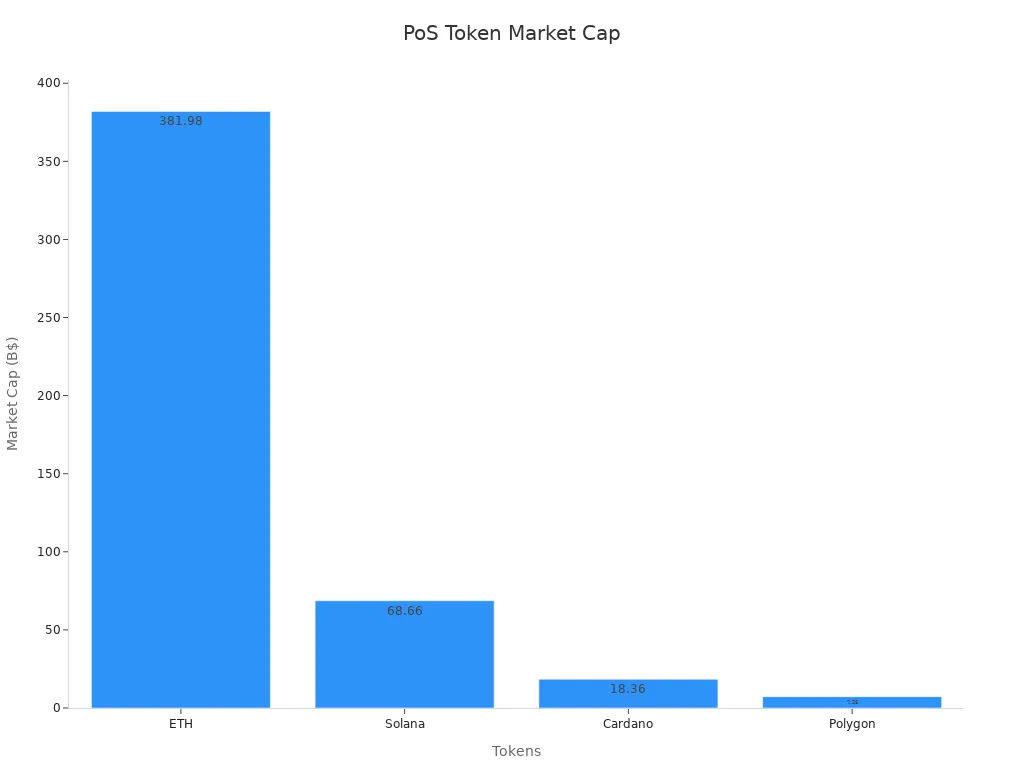
Staking and lending services provide users with passive income opportunities and help exchanges retain assets on their platforms. Ethereum, with a market capitalization of $381.98 billion, generated $1.8 billion in annual staking rewards. Staking reward rates vary, with Cardano offering around 4.6% APY and Polkadot reaching nearly 14.88% APY. Most major exchanges now offer staking, making it accessible for beginners and experienced users alike.
Lending services further expand the product suite, allowing users to earn interest or access liquidity without selling their crypto holdings. These features drive user engagement and support the long-term growth of the exchange.
API Integration
Advanced API integration enhances operational efficiency and user experience for any crypto exchange. APIs provide real-time market data, support advanced order types, and enable smart order routing. They also streamline order management and reduce operational risks. Key benefits include:
Support for complex trading strategies with advanced order types.
Faster order execution and reduced latency for high-frequency trading.
Seamless integration with third-party services and compliance tools.
Exchanges that invest in robust API solutions can scale efficiently, support diverse user needs, and maintain a competitive edge in the evolving crypto landscape.
User Experience
UX/UI Optimization
A crypto exchange must focus on UX/UI optimization to keep users engaged and satisfied. Mobile-first design matters because 60% of traffic comes from smartphones. This approach lets users trade anywhere, which increases engagement. Social trading features, such as copy trading and community spaces, help users interact and learn from each other. Gamification, like achievement systems and trading competitions, makes trading more enjoyable without promoting risky behavior. Seamless security experiences build user confidence and prevent frustration. AI-driven personalization reduces cognitive load and increases satisfaction. Good UX increases customer satisfaction, trust, and loyalty. User education helps overcome confusion and builds confidence. Incentives, such as rewards and recognition, encourage users to stay active. Intuitive navigation, clean design, and high performance keep users engaged and prevent drop-off. Responsive customer support ensures users feel supported, which reduces attrition.
Personalization
Personalization strategies help a crypto exchange improve user retention and customer satisfaction. Customizable dashboards and personalized notifications let users control their experience. For example, Kraken allows users to change dashboard layouts and set price alerts. Gemini sends personalized push notifications about market trends and account activity. Personalized onboarding adapts to user goals and risk tolerance, offering relevant market data and investment recommendations. Gamification elements, such as badges for completing tasks, increase motivation and retention. Personalized recommendations and targeted marketing based on user data boost satisfaction and encourage continued use. These strategies have led to a 20-30% increase in user retention. Loyalty programs with tiered benefits, like Binance’s VIP program, reward long-term users and further improve retention. Advanced customer support systems also play a role, as users with reliable support are 40% more likely to stay on the platform.
Accessibility
Accessible crypto exchange platforms attract a broader user base. Market research shows that spot trading platforms with easy onboarding and low technical barriers appeal to both retail and institutional investors. Fiat on-ramp services make it simple for newcomers to join, expanding the reach to mainstream users. In 2021, 41% of crypto owners made their first purchase, showing that accessible platforms lower barriers to entry. These platforms support financial inclusion by allowing participation from underserved regions. Industries such as e-commerce, real estate, and healthcare benefit from accessible exchanges by enabling faster, transparent, and cost-effective transactions. By focusing on accessibility, an exchange can increase customer satisfaction and reach more users in the growing crypto market.
Marketing & Retention
Digital Strategies
A crypto exchange must use digital strategies to attract and keep users. These strategies include influencer marketing, email campaigns, and referral programs. Influencer marketing builds awareness and often brings a return on investment between 3-6x when combined with social media and community efforts. Email marketing stands out for its high return, often reaching 4-10x, by tracking open rates, click-throughs, and conversions. Referral programs help exchanges grow organically, with referred users showing higher engagement and lifetime value.
Key metrics help measure the success of these strategies:
Metric | Purpose/Description |
|---|---|
Customer Retention Rate | Measures how many users remain active over time |
User Acquisition Rate | Tracks the number of new users joining the platform |
Conversion Rate | Indicates the percentage of visitors becoming paying customers |
Cost per Acquisition | Shows the cost spent to acquire each new user |
Analytics tools such as Google Analytics, Hotjar, Mixpanel, and Hootsuite help exchanges track user actions, understand behavior, and measure social engagement. These tools support data-driven decisions and improve user retention strategies.
Community Building
Community building plays a vital role in the success of any crypto exchange. Strong communities form around shared values, digital ownership, and innovation. Platforms like Telegram, with over 950 million monthly users, allow exchanges to engage large groups. Discord and X (formerly Twitter) also support active discussions and knowledge sharing. About 90% of successful blockchain projects have active communities that help with governance, reputation, and transparency.
Users join subgroups, participate in forums, and follow trusted leaders. These actions build trust and create a sense of belonging. Social trading features, such as copying trades, further connect users and encourage participation. Multi-platform strategies, transparent communication, and professional management help exchanges maintain trust and long-term growth.
Tip: Exchanges should encourage authentic engagement and reward active users to strengthen community bonds and build trust.
Loyalty Programs
Loyalty programs help exchanges keep users engaged and satisfied. Companies like Lolli, Rakuten, and StormX show that rewarding customers with crypto tokens increases participation. These tokens can be traded, redeemed, or sold, giving users control and flexibility. Blockchain technology automates rewards, reduces costs, and allows exchanges to tailor offers using data analytics.
Tokenized rewards remove borders, making programs accessible to users worldwide. Smart contracts ensure secure and transparent reward systems. Retail chains and exchanges use these programs to offer discounts or partner products, which increases customer satisfaction and trust. As a result, loyalty programs support higher retention rates and help exchanges grow their user base.
Understanding Global Regulations
Navigating the world of crypto exchanges requires a deep understanding of global regulations. Operators must stay alert as rules change quickly across different countries. Building a strong compliance framework helps exchanges avoid fines, protect users, and support lasting growth. Security and trust depend on meeting both local and international legal and compliance areas.
Compliance Strategies
Exchanges face strict regulations that demand robust compliance. The U.S. Section 6045 rules, finalized in late 2024, now require more detailed reporting for digital asset transactions. Many countries update their regulations often, so exchanges must adapt their compliance programs. Effective strategies include:
Segregation of duties and access controls to prevent fraud.
Automated monitoring tools and dashboards for real-time oversight.
Regular transaction validation and AML/KYC verification.
Ongoing tax compliance as digital asset tax codes evolve.
Regulatory compliance builds trust and stability. Recent hacks, such as the $305 million loss at DMM Bitcoin, show the risks of weak compliance. Major exchanges have paid large fines for failing to meet regulations. Compliance teams must focus on real results, not just checking boxes. They use blockchain analytics and work closely with regulators to show strong risk management.
KYC/AML
KYC (Know Your Customer) and AML (Anti-Money Laundering) procedures form the backbone of compliance. These steps help exchanges verify user identities, spot suspicious activity, and meet global regulations. The table below shows key elements:
Evidence Aspect | Description |
|---|---|
KYC Procedures | Verifies identity with government IDs and biometrics to stop fraud. |
Risk Assessment | Uses customer due diligence to check user risk by behavior and location. |
Transaction Monitoring | AI tools watch for suspicious actions in real time. |
Regulatory Compliance | Follows FATF, US, EU, and Asia-Pacific rules. |
Financial and Reputational Risks | |
AML Screening Solutions | Screens for sanctions, PEPs, and bad media to block illegal activity. |
Industry Impact | Strong KYC/AML keeps exchanges safe, trusted, and stable. |
Accurate data collection and advanced screening tools help exchanges meet global regulations and reduce risks.
Risk Management
Risk management protects exchanges from losses and keeps operations secure. Teams use several metrics to track and control risks:
Capital at Risk (CaR) measures possible losses from market, credit, and operational risks.
Liquidity Coverage Ratio (LCR) checks if the exchange can meet short-term demands.
Value-at-Risk (VaR) and real-time warning systems spot threats early.
These tools use blockchain data for transparency and quick action. By focusing on risk management, exchanges can handle shocks, meet regulations, and keep user assets safe.
Tip: Regular reviews and updates to compliance and risk controls help exchanges stay ahead of new threats and changing regulations.
Sustainability & Innovation
Future-Proofing
Crypto exchanges must plan for the future to stay ahead in a fast-changing market. They use real-time data and predictive analytics to spot trends early. Social media sentiment, especially from less active users, often predicts Bitcoin prices. News coverage and financial media also move markets. By using sentiment analysis and natural language processing, exchanges can make better decisions and improve scaling strategies.
Smart contracts need upgradability. Developers use proxy patterns so they can update code without losing data. Continuous audits, including community reviews and bounty programs, help keep systems secure. Teams with multi-chain skills use new tools and test environments to prepare for real-world conditions. Open-source collaboration speeds up innovation and helps exchanges work across different blockchains. These steps support sustainability and make sure platforms can adapt as technology and regulations change.
DeFi & Tokenization
Decentralized finance (DeFi) and tokenization are changing how exchanges operate. Institutional interest in digital currencies keeps rising. Hedge funds and asset managers now add crypto assets to their portfolios. DeFi platforms like Aave and Uniswap handle billions in transactions, showing strong user engagement and liquidity.
DeFi protocols let users lend, borrow, and trade directly on the blockchain. This removes the need for traditional middlemen. Tokenization turns real-world assets into digital tokens, making it easier for people to invest in things like real estate or art. These tokens can be traded on decentralized exchanges, which increases liquidity and lowers entry barriers. Blockchain technology also improves transparency and reduces costs. These trends drive adoption and support the growth of the digital financial ecosystem.
Financial Health
Strong financial health ensures long-term sustainability for any crypto exchange. Operators track key metrics such as revenue, operating costs, and liquidity reserves. They use data-driven models to manage risks and plan for scaling. Regular audits and transparent reporting build trust with users and regulators. By investing in modular, upgradeable, and AI-enhanced systems, exchanges can stay competitive and resilient. These practices help platforms handle market changes and support ongoing growth.
Scaling a crypto exchange business for lasting growth requires a clear roadmap. Operators should focus on technical performance, user analysis, financial capacity, and compliance.
Track metrics like transaction speed, liquidity, and uptime.
Expand products with derivatives and staking.
Strengthen security with layered wallets and real-time monitoring.
Use continuous innovation and adapt to new regulations.
Those who master how to scale crypto exchange business and prioritize compliance will lead the next wave of industry growth.
FAQ
What is the most important factor when scaling a crypto exchange?
Security stands as the top priority. Operators must protect user assets and data with strong security measures. Regular audits, multi-factor authentication, and cold storage help prevent breaches and build user trust.
How can a crypto exchange improve liquidity quickly?
Partnering with market makers and adding popular trading pairs increases liquidity. Exchanges also use liquidity pools and fiat on/off-ramps to support fast deposits and withdrawals.
Why do exchanges need to follow global regulations?
Regulations protect users and keep the platform legal. Compliance with KYC and AML rules helps prevent fraud and money laundering. Exchanges that follow laws gain trust and avoid heavy fines.
What role does user experience play in growth?
User experience drives retention and growth. Simple interfaces, fast support, and mobile access help users trade easily. Exchanges that focus on UX see higher engagement and loyalty.
Can a new exchange use white-label solutions to scale?
Yes. White-label solutions offer ready-made platforms with built-in security and compliance. Operators can launch faster and focus on branding and user acquisition.

