
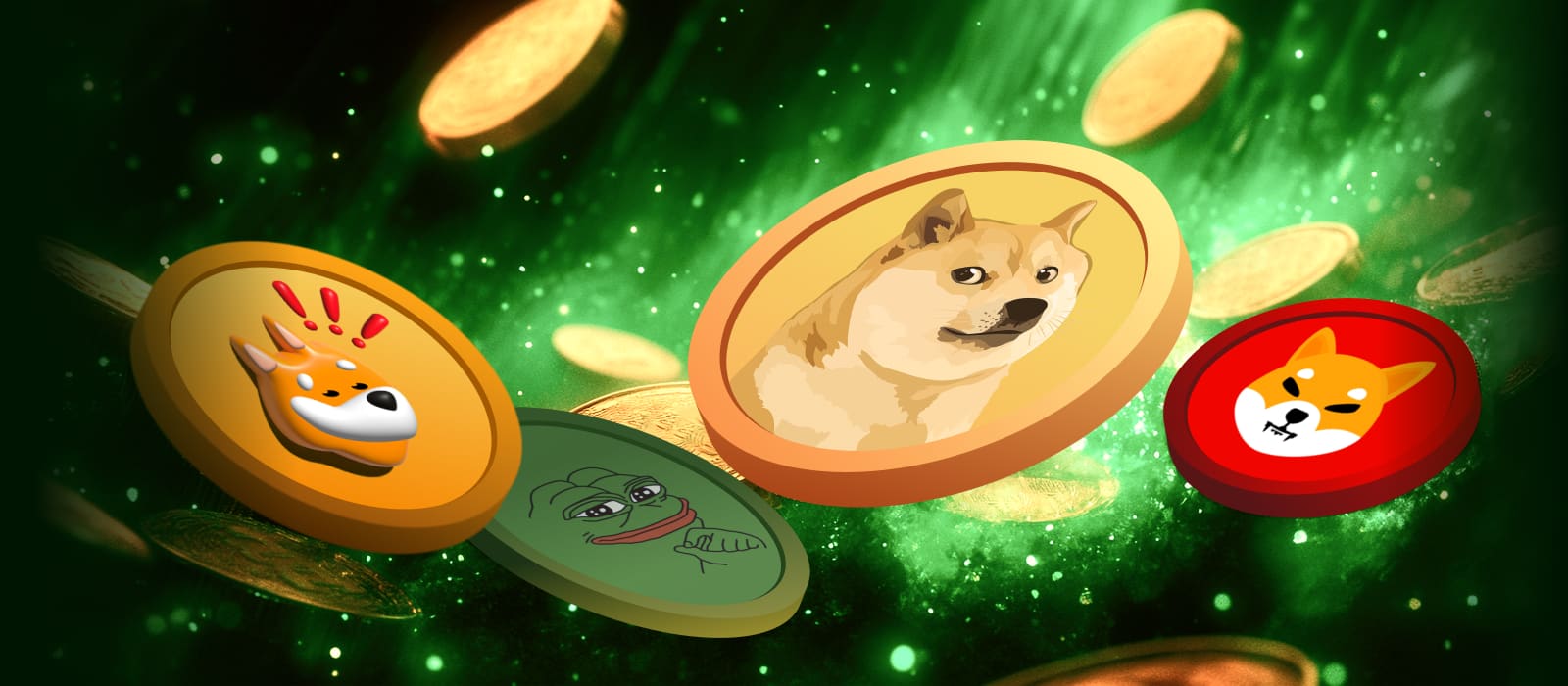
Have you ever scrolled through a crypto forum and seen memes like HODL, Doge, or Pepe popping up everywhere? These memes do more than make you laugh. They shape the identity and language of the crypto community, showing real cultural relevance. For example, Dogecoin started as a meme but reached a market cap over $60 billion in 2021. You can see the power of memes in this table:
Meme Format / Asset | Key Statistical Data |
|---|---|
Dogecoin | Market cap peaked over $60 billion in 2021; daily trading volumes often exceed $1 billion |
Shiba Inu | Market cap reached over $41 billion at peak in late 2021 |
Pepe Coin | Reached market cap over $500 million within months of launch in 2023 |
Collective Meme Coins | Held over $30 billion market cap by early 2024; surged to over $64 billion by late 2023 |
Meme NFTs (Rare Pepes) | Sold for tens of thousands of dollars; some meme NFTs sold for over $400,000 |
Meme culture brings people together and influences how you talk, invest, and even think about cryptocurrency. The rise of looking meme formats proves that memes now drive not just jokes, but the entire culture around crypto.
Key Takeaways
Crypto memes like Dogecoin and Pepe shape community identity and influence market trends.
Meme culture turns jokes into real investments and helps people connect through shared language.
Social media drives meme popularity, causing fast price changes and strong community reactions.
Memes like HODL teach patience and risk management in crypto investing.
Meme coins and NFTs create new ways for people to join, govern, and grow the crypto economy.
Meme Culture Evolution
Early Crypto Memes
You can trace the roots of meme culture in crypto back to the early days of the internet and Bitcoin. The first memes were simple jokes and images shared on forums. These memes helped people understand new ideas and made the world of cryptocurrency less intimidating. For example, Dogecoin started in 2013 as a joke based on the Shiba Inu dog meme. The Dogecoin community, called “Shibes,” quickly became famous for their generosity. They raised $25,000 for the Jamaican Bobsled Team and even sponsored a NASCAR driver. This early meme coin showed how memes could unite people and inspire real-world action.
Dogecoin’s trading volume once surpassed Bitcoin, proving that memes could drive massive interest and activity in the crypto space.
Shifts in Meme Trends
Meme evolution in crypto shows how quickly trends can change. At first, memes like Dogecoin and Shiba Inu were just funny internet jokes. Over time, these memes became serious investments. You might have seen memes like “HODL” or “Money Printer Go BRRR” during wild market swings. These memes became a way for people to talk about the ups and downs of the market. Newer meme coins like Pepe Coin and Fartcoin rely on social media buzz and community excitement, not just on their technology. NFT memes take things further by turning memes into digital assets on the blockchain, giving them real value and ownership.
Early meme coins started as jokes but became investment vehicles.
Memes now reflect market moods and community identity.
NFT memes blend internet culture with blockchain technology.
Social Media’s Role
Social media platforms like Twitter, Reddit, Discord, and Telegram play a huge role in spreading memes. You see influencers and communities sharing memes, news, and opinions every day. Viral posts can make a meme coin’s price jump within hours. For example, when Elon Musk tweets about Dogecoin, the price often surges. Social media analytics tools help track which memes are trending and how people feel about them. AI-generated memes and bot networks make it easy for projects to create viral content fast. This shows that social media is a powerful driver of meme trends and helps shape the future of blockchain and crypto culture.
Iconic Crypto Meme Formats
HODL
You have probably seen the word “HODL” in crypto chats and forums. This meme started in 2013 when a user on Bitcointalk misspelled “hold” as “HODLING” during a Bitcoin price drop. The community quickly turned this mistake into a rallying cry: “Hold On for Dear Life.” HODL tells you to keep your coins even when prices swing wildly. This simple idea changed how many people invest in crypto. Glassnode’s HODL wave chart shows that about 75% of Bitcoin has not moved in six months as of 2024. This proves that many investors follow the HODL mindset. Big names like Michael Saylor and Changpeng Zhao also support HODL, making it a core part of crypto culture. You can see how HODL compares to traditional investing in this table:
Aspect | HODL (Cryptocurrency) | Buy-and-Hold (Stocks) |
|---|---|---|
Focus | Long-term holding of cryptocurrencies despite extreme volatility | Long-term holding of stocks or ETFs for capital growth |
Asset Type | Speculative digital assets driven by sentiment | Established stocks with fundamentals like earnings |
Market Behavior | High volatility with frequent large swings | Moderate volatility with long-term upward trends |
Risk Level | Higher due to lack of historical benchmarks and regulatory uncertainty | Lower with decades of market data and regulation |
Emotional Selling | Discourages panic selling during crypto dips | Discourages selling during stock market downturns |
Historical Evidence | Limited but growing with crypto adoption | Over a century of supporting data |
Value Drivers | Adoption, demand, and sentiment | Company performance and economic growth |
Ideal For | Risk-tolerant investors embracing volatility | Conservative investors seeking steady growth |
HODL is more than a meme. It shapes how you and others think about risk, patience, and long-term value in the crypto world.
Wen Lambo
“Wen Lambo?” is a question you see everywhere in crypto spaces. It means “When will I get rich enough to buy a Lamborghini?” This meme pokes fun at the dream of getting rich quick. You often see it when prices rise fast or when someone asks about the next big pump. Wen Lambo captures the hope and excitement that drive many new investors. It also reminds you that hype can lead to risky decisions. Meme tokens like TRUMP coin have shown how fast prices can jump, reaching a $30 billion market cap in just 12 hours because of viral memes and social media buzz. But these surges often come with high volatility and risk.
Wen Lambo memes highlight the thrill and danger of chasing quick profits.
They remind you to stay careful and not let hype cloud your judgment.
Pepe the Frog
Pepe the Frog started as a simple cartoon but became one of the most famous memes in crypto. The Rare Pepe project turned Pepe into digital trading cards on the blockchain between 2016 and 2018. The community created 1,774 official Rare Pepe cards, and some sold for millions at auctions. Tools like the Rare Pepe Wallet and Directory helped fans collect and trade these cards. Pepe’s journey shows how memes can become valuable digital art and unite people in creative ways. Academic research even points out that Pepe memes can spread ideas and challenge mainstream culture. The rise of PEPE coin proves that a meme’s cultural power can drive real trading and market activity, especially when celebrities like Elon Musk join the conversation.
Pepe the Frog is not just a meme. It is a symbol of creativity, community, and the power of internet culture in crypto.
Doge
Doge is one of the most high-profile crypto memes. It began with a Shiba Inu dog and the word “wow.” Dogecoin launched as a joke in 2013 but quickly grew into a major player. Social media trends, like the #DogecoinTiktokChallenge, doubled Dogecoin’s price in days. Elon Musk’s tweets sent Dogecoin soaring by 7,000% in early 2021. The Dogecoin community on Reddit and Twitter keeps the meme alive with humor, charity, and viral campaigns. Dogecoin’s price often moves based on social buzz, not just market fundamentals. By 2021, Dogecoin reached a market cap of $85.3 billion and ranked among the top cryptocurrencies by trading volume and wallet addresses.
Dogecoin’s story shows how memes and community can turn a joke into a global phenomenon.
The Doge meme proves that fun and engagement can drive real value in the crypto market.
This Is Fine
The “This Is Fine” meme shows a cartoon dog sitting calmly in a burning room, saying, “This is fine.” In crypto, you see this meme when markets crash or prices drop suddenly. It captures how investors sometimes pretend everything is okay, even when things look bad. For example, when meme coins like LIBRA or TRUMP Token crashed after celebrity hype, many investors used the “This Is Fine” meme to joke about their losses. These events show how quickly excitement can turn into panic. The meme helps you laugh at tough times and reminds you to stay calm, even when the market feels out of control.
“This Is Fine” memes help you cope with stress and uncertainty during market downturns.
They show that humor can be a tool for resilience in the face of losses.
Bear & Bull Memes
Bear and bull memes are everywhere in crypto. Bulls stand for rising prices and optimism. Bears stand for falling prices and fear. These memes shape how you and others feel about the market. Studies show that memes can trigger FOMO (fear of missing out) during bull runs and panic during bear markets. For example, Bitcoin’s rise from $5,000 to nearly $69,000 brought a flood of bullish memes, making people eager to buy. When prices crash, bearish memes spread fear and lead to quick sell-offs. Social media and trading apps make it easy for these memes to go viral, pulling in new investors and amplifying market swings.
Bear and bull memes do more than reflect market moods. They drive real decisions and help explain why markets move the way they do.
Looking Meme Impact
Community Sentiment
Looking meme formats shape how you feel about the crypto world. When you see memes that use humor or animals, you connect with others who share your interests. Industry analysis shows that meme coins use funny and relatable content to build strong emotional bonds. You can track these feelings by watching social media trends and influencer posts. The Coin-Meme dataset shows that memes do more than entertain. They change how you interact with others and even how you make financial decisions. When you join in, you help create a positive or negative mood in the community. This is why looking meme formats have such a big impact on community engagement.
Shared Language
Memes give you a special way to talk with others in the crypto space. You might use phrases like “HODL” or “Wen Lambo” without thinking twice. These words become part of your daily chat. Here are some facts about how shared language from looking meme formats brings people together:
75% of people aged 13 to 36 share memes, showing how common this culture is.
55% of people aged 13 to 35 send memes every week.
Memes act as a visual and cultural language, helping you connect through humor and shared stories.
The shareability of memes builds a sense of belonging and identity.
Brands that use memes in marketing see stronger community bonds.
You see this in coins like Dogecoin and Shiba Inu, where meme narratives help create a loyal following.
Market Psychology
Looking meme formats also change how you think about trading. You might feel FOMO when you see a meme about a coin going to the moon. Research shows that herd mentality and group psychology drive many trading choices. Here is a table that explains how memes affect your trading behavior:
Aspect | Impact on You and the Market |
|---|---|
Herd Mentality | You follow others when you see a meme trending. |
FOMO | You rush to buy coins to avoid missing out on gains. |
Community Power | Strong online groups boost trading and interest in meme coins. |
Humor & Celebrities | Jokes and endorsements make coins more appealing to you. |
Memes do not just reflect the market. They help drive it, making looking meme formats a key part of crypto culture.
Crypto Economy & Memes
Memecoins & Governance
You see how memes have changed the crypto economy by turning jokes into real financial tools. Memecoins use internet culture and humor to build strong communities. These communities often use decentralized governance, where you and other holders can vote on changes. Some projects, like Decentraland, let you use memecoins to help decide what happens in the virtual world. This approach gives you more power and makes the economy more open. Many memecoins now work with DAOs, which means decisions are made by the group, not just a few leaders. This shift challenges old financial systems and brings more people into the cryptocurrency space.
Memecoins create emotional bonds and make you feel included.
You can join in governance, helping shape the future of the meme economy.
Blockchain technology supports these new ways of working together.
Meme-Driven Adoption
Memes help more people join the crypto economy. When you see a funny meme or a celebrity talking about a coin, you might want to learn more or even invest. This viral effect brings in new users fast. For example, when a famous person supports a memecoin, the price and interest can jump overnight. Reports show that meme-driven projects have helped digital assets grow quickly. The value of meme coins soared from $20 billion to over $120 billion in 2024. You see more businesses accepting memecoins as payment, which makes them part of the real economy. Memes lower the barriers for you and others to join, making the crypto world bigger and more diverse.
Memes turn complex ideas into simple stories, making the crypto economy easier for everyone to understand.
Future Trends
You will see memes continue to shape the future of crypto memes and the wider economy. Memecoins like Shiba Inu and Pepe have become more than jokes—they are now social movements with strong communities on platforms like X and TikTok. As blockchain technology grows, memes will keep driving new trends and ideas. The meme economy will likely see more projects using NFTs, gaming, and metaverse spaces. You should watch for new meme formats that could change how you use and think about cryptocurrency. Even with risks like high volatility, memes will stay at the center of the crypto economy, guiding how you and others interact with digital assets.
You have seen how meme formats like DOGE, SHIB, and PEPE shape crypto culture and the economy. These memes build strong communities and make investing feel fun and accessible. Meme coins show you that value can come from hype, emotion, and viral appeal, not just financial data. Studies of thousands of Reddit memes reveal that image, text, and timing all help memes go viral. As crypto grows, you will see new memes shape trends and bring people together. Think about how memes have influenced your own crypto journey and how you connect with others in this space.
Meme coins challenge old ideas about money.
Community, humor, and FOMO drive adoption and innovation.
Viral memes help new users join and shape the future of crypto.
Your experience with crypto memes helps build the culture and keeps the community strong.
FAQ
What is a crypto meme format?
A crypto meme format is a popular image, phrase, or joke that people use to talk about cryptocurrency. You see these memes on social media, forums, and chat groups. They help you understand trends and connect with others in the crypto world.
How do memes affect crypto prices?
Memes can move prices fast. When you share a meme about a coin, more people notice it. This can create hype and push prices up or down. Social media makes these changes happen quickly.
Why do people say “HODL” in crypto?
You see “HODL” when people want to hold their coins during price drops. The word started as a typo but became a symbol of patience. It tells you to stay strong and not sell in panic.
Can memes help new users learn about crypto?
Yes! Memes use humor and simple ideas. You learn faster because memes break down hard topics. They make crypto less scary and more fun for you and others.

