

Crypto scams like honeypot crypto schemes have led to significant financial losses for investors. Protecting your investments demands constant vigilance and informed decision-making. A report on cybercrime within the Ethereum blockchain highlights how deceptive practices, such as honey pot traps, exploit unsuspecting users. Scammers often lure victims with promises of easy profits, leaving them vulnerable to fraud. By staying proactive, you can safeguard your assets and avoid falling prey to these tactics. Remember, the best defense against a scam is awareness and education.
Key Takeaways
Honeypot scams trick people with fake investments to steal money. Always check projects carefully before putting in your money.
Watch for warning signs like promises of huge profits. If it seems too perfect, it’s likely a scam.
Check smart contracts with reliable tools. Bad code can block you from getting your money back.
Be careful with rushed decisions. Scammers push you to act fast, making it hard to think clearly.
Learn about common scam tricks. Knowing more helps you avoid falling for honeypot scams.
Understanding Honeypot Crypto Scams
What Are Honeypot Crypto Scams
Honeypot crypto scams are deceptive schemes designed to lure investors by creating the illusion of profitability. These scams often involve honey pot tokens or projects that appear legitimate but are programmed to trap users. The term “honeypot” comes from the idea of attracting victims, much like honey attracts bees. In the world of cryptocurrency, these traps exploit the lack of transparency and technical knowledge among investors.
Honeypot crypto traps typically involve smart contracts that seem to offer lucrative opportunities. However, these contracts contain hidden conditions that prevent users from withdrawing their funds. For example, a project may allow you to deposit cryptocurrency but block any attempts to retrieve it. This tactic ensures that scammers can collect funds while leaving investors empty-handed.
How Do Honeypot Scams Work
Honeypot scams operate through carefully crafted smart contracts or platforms. These scams often follow a predictable pattern:
Creation of a Fake Opportunity: Scammers develop honey pot tokens or projects that promise high returns or exclusive benefits. They may use flashy marketing to attract attention.
Deployment of Malicious Smart Contracts: The smart contract is programmed to accept deposits but restrict withdrawals. This ensures that once funds are deposited, they cannot be retrieved.
Promotion and Hype: Scammers use social media, forums, or influencers to generate excitement around the project. They may claim that the opportunity is limited to create urgency.
Exploitation of Victims: Once investors deposit their funds, the scammers either disappear or continue to collect money until the scheme collapses.
For instance, the Squid Game token on Binance Smart Chain (BSC) prevented users from selling their tokens due to a smart contract trap. Similarly, BONKKILLER and Xiaopang on Solana used internal conditions to block transfers. These examples highlight how honeypot crypto traps exploit unsuspecting investors.
Common Tactics in Honey Pot Token Scams
Scammers use a variety of tactics to make honey pot token scams appear legitimate. Some of the most common methods include:
Malicious Smart Contracts: These contracts allow deposits but block withdrawals. They may also include hidden fees or conditions that make it impossible to access your funds.
Too-Good-to-Be-True Offers: Scammers often promise extremely high returns or risk-free investments. These offers are designed to appeal to greed and distract from potential risks.
Fake Platforms and Exchanges: Some scams involve creating fake trading platforms where deposits are accepted, but withdrawals fail under false pretenses.
Opaque Code: The smart contract code may be difficult to verify or intentionally obfuscated. This prevents investors from identifying potential red flags.
Pressure to Act Quickly: Scammers create a sense of urgency by claiming that the opportunity is time-sensitive. This tactic, known as FOMO (Fear of Missing Out), pushes investors to act without proper research.
Honeypot scams often target both novice and experienced investors. While beginners may struggle to understand the technical details of smart contracts, experienced users can fall victim to fake loopholes that seem exploitable. For example, some scams intentionally expose a flaw in the contract to lure victims, only for the flaw to turn out to be a trap.
Tip: Always verify the smart contract code and research the project’s team and history before investing. Transparency and credibility are key indicators of a legitimate project.
Identifying Red Flags in Crypto Honeypot Scams

Unrealistic Promises of High Returns
One of the most common red flags of crypto honeypots is the promise of unrealistic returns. Scammers often lure you with claims like “double your money in 24 hours” or “guaranteed 200% profit.” These offers prey on your desire for quick gains, but they rarely hold up under scrutiny. For example, many scam platforms advertise VIP packages with daily returns that sound too good to be true. A recent report highlighted how such schemes use fake corporate structures and impersonation tactics to build trust.
Scam Type | Example Claims | Key Findings |
|---|---|---|
Money-Doubling Schemes | “Invest ₹3000 and get ₹10,000 in 24 hours” | Scammers use impersonation tactics to build trust. |
“Triple your money within a day” | Fake corporate structures are created to mislead investors. | |
“Guaranteed 200% return on Bitcoin investments” | Multi-platform approaches are employed to reach victims. | |
Scam Crypto Investment Platforms | “VIP1” package claims a daily return of $3 on $11 | Unrealistic claims of returns raise immediate red flags for potential investors. |
When you encounter such promises, take a step back. Legitimate investments rarely guarantee high returns, especially in volatile markets like cryptocurrency. Always question offers that seem too good to be true.
Suspicious Smart Contracts
Another major red flag is the presence of suspicious smart contracts. Honeypot scams often use malicious code to trap your funds. These contracts may allow deposits but block withdrawals, leaving you unable to recover your money. For instance, the Hope Finance incident revealed how even audited projects could contain vulnerabilities. Despite passing audits, the project lost $2 million on launch day due to a scam executed by a team member.
Scammers may also use audits as a false assurance of security. If a project claims to have been audited, verify the auditing firm and check whether the issues identified in the report were resolved. Always review the smart contract code or consult experts to identify hidden risks.
Lack of Transparency in Projects
Transparency is a hallmark of legitimate crypto projects. Honeypot scams, however, often operate in secrecy. They may hide their team members, fail to provide clear documentation, or obfuscate their smart contract code. A lack of transparency makes it difficult for you to assess the project’s legitimacy.
For example, centralized systems often manipulate data and restrict access to critical information. This lack of openness creates opportunities for scams to thrive. Legitimate projects, on the other hand, are upfront about their goals, team, and technical details. If you notice missing or vague information, consider it a warning sign.
Tip: Always prioritize projects that openly share their code, team details, and audit reports. Transparency builds trust and reduces the risk of falling for a honeypot in crypto.
Pressure to Act Quickly (FOMO)
Scammers often exploit your fear of missing out (FOMO) to pressure you into making hasty decisions. They create a sense of urgency by claiming that an opportunity is limited or time-sensitive. This tactic makes you feel that delaying action could result in losing out on significant profits. For example, a honeypot scam might advertise a “once-in-a-lifetime” investment with a countdown timer, urging you to act before the offer expires.
The psychological impact of FOMO plays a significant role in these scams. A study titled Crypto-Cognitive Exploitation: Integrating Cognitive, Social, and Technological Perspectives on Cryptocurrency Fraud highlights how urgent call-to-action tactics manipulate your decision-making. Scammers use Cognitive Vulnerability Theory and Social Engineering techniques to exploit your emotions, making it harder for you to evaluate the risks objectively. This approach increases the likelihood of falling for honey pot traps.
You may encounter phrases like “limited slots available” or “exclusive access for early investors.” These claims aim to distract you from identifying red flags, such as suspicious smart contracts or a lack of transparency. Scammers rely on your impulsive behavior to bypass critical thinking, ensuring that you overlook the risks associated with the honeypot scheme.
To protect yourself, always pause and evaluate the situation. Avoid rushing into investments, especially when pressured by time-sensitive offers. Legitimate projects rarely impose strict deadlines or use manipulative tactics. Take the time to research the project thoroughly, verify its smart contract code, and assess its credibility. Recognizing FOMO as a psychological trap can help you avoid falling victim to honey pot scams.
Tip: If you feel pressured to act quickly, step back and reassess. Scammers use urgency to cloud your judgment. Trustworthy investments allow you the time to make informed decisions.
How to Avoid a Crypto Honeypot Scam
Conduct Thorough Research
Research is your first line of defense against honeypot scams. Before investing, examine every aspect of the project to ensure its legitimacy. Start by reviewing the project’s whitepaper. A clear and detailed whitepaper often indicates a serious and transparent initiative. Investigate the team behind the project. Look for verifiable backgrounds and avoid projects with anonymous or fake team members.
Community engagement is another critical factor. Check platforms like X, Reddit, Telegram, or Discord to see how active and genuine the community is. A dead or bot-driven community often signals a scam. Analyze tokenomics, including the total supply and distribution. Projects with unclear or overly concentrated token allocations may pose risks.
Security audits are essential. Verify whether the project has undergone audits by reputable firms. Audits help identify vulnerabilities and ensure the project’s smart contracts are secure. Finally, assess the roadmap. Legitimate projects outline specific goals and timelines, while scams often lack clear objectives.
Tip: Always test small before committing large amounts. Conduct a small transaction to evaluate the token’s functionality and liquidity. This step can save you from falling into a honey pot trap.
Verify Smart Contracts and Code
Smart contracts are the backbone of most crypto projects, but they can also be the source of honeypot scams. Verifying the code is crucial to recognizing the signs of a honeypot. Use detection tools like Slither, Securify, and SmartCheck to analyze the contract for vulnerabilities. These tools are free and provide valuable insights into the contract’s security.
Premium tools like MythX, Certik, and Hacken offer comprehensive security solutions. They use advanced technologies like formal verification and AI to detect hidden risks. For example, Certik’s audits have helped prevent rug pulls by identifying malicious code before launch.
Tool Name | Type | Description |
|---|---|---|
Slither | Free | A static analysis tool for Solidity smart contracts. |
Securify | Free | Security analysis for Ethereum smart contracts. |
MythX | Premium | Comprehensive security analysis platform. |
Certik | Premium | Auditing firm using AI and formal verification. |
Hacken | Premium | Cybersecurity solutions and smart contract audits. |
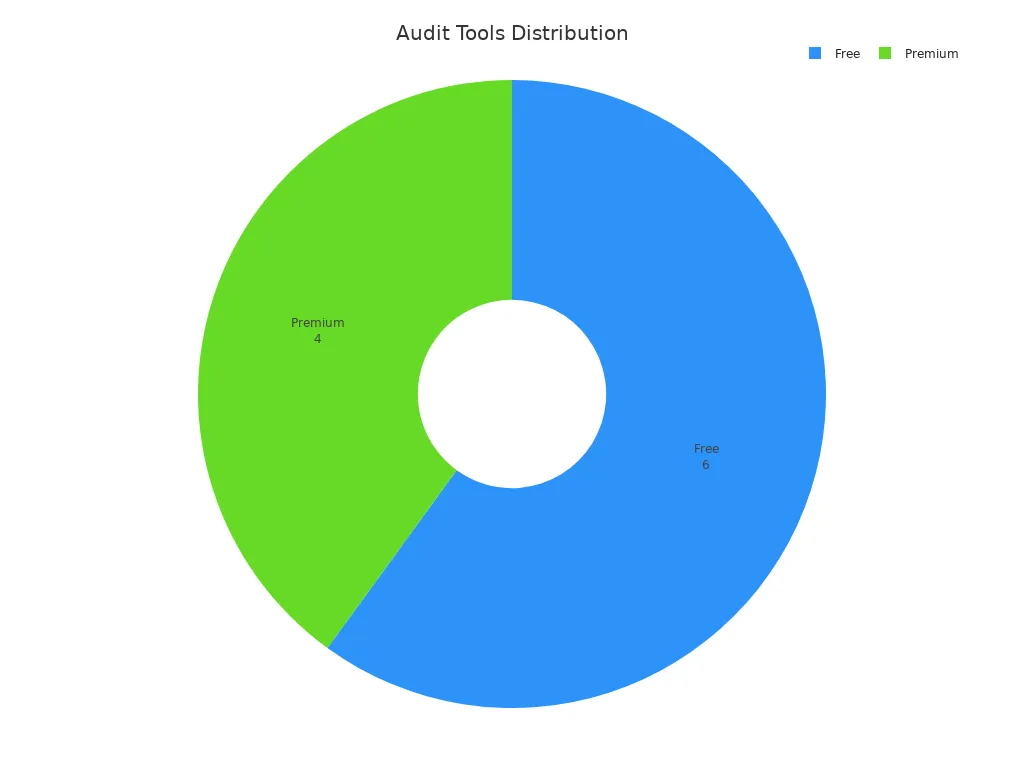
When reviewing smart contracts, pay attention to liquidity pools. Locked liquidity ensures that funds cannot be easily withdrawn by the developers, reducing the risk of rug pulls. Use blockchain explorers to examine transaction patterns and identify suspicious activity.
Note: If you lack technical expertise, consult professionals or use trusted platforms to verify the code. This step is vital for your protection.
Use Trusted Platforms and Tools
Using trusted platforms and tools is a practical solution for avoiding honeypot scams. Platforms like Binance, Coinbase, and Kraken have stringent security measures and vetting processes for listed tokens. These platforms reduce the risk of encountering honey pot traps.
Detection tools play a significant role in identifying scams. Security-focused browser extensions and token analysis tools can help you spot red flags. For example, tools like Token Sniffer and RugDoc analyze tokens for malicious code and liquidity issues.
Community-driven platforms also provide valuable insights. Forums and groups on X, Reddit, and Telegram often share warnings about scams and discuss detection and prevention strategies. Staying active in these communities keeps you informed about emerging threats.
Tip: Trust your instincts. If an offer seems too good to be true, it probably is. Take time to evaluate every investment opportunity thoroughly.
Stay Skeptical of Too-Good-to-Be-True Offers
Scammers often prey on your desire for quick and easy profits. They craft offers that seem irresistible, promising high returns with little to no risk. These offers are designed to bypass your critical thinking and lure you into a honey pot trap. Staying skeptical of such claims is one of the most effective ways to protect yourself from a honeypot scam.
Many documented cases highlight the dangers of falling for these schemes:
Scammers frequently initiate contact through unsolicited calls or fake profiles, building trust before presenting high-return investment opportunities.
Victims are often pressured to invest quickly, only to face difficulties withdrawing their funds later.
In the first quarter of 2025 alone, nearly 30,000 investment scams were reported, resulting in $1.5 billion in losses. Cryptocurrency scams accounted for $472 million of these losses.
Scammers sometimes instruct victims to transfer money to shell companies. When victims attempt to withdraw their funds, they encounter additional fees or are locked out of their accounts entirely.
These statistics underscore the importance of caution. If an investment opportunity seems too good to be true, it probably is. Legitimate investments rarely guarantee high returns, especially in volatile markets like cryptocurrency. Always question offers that promise extraordinary profits with minimal effort.
To protect yourself, look for warning signs. Scammers often rely on flashy marketing, fake testimonials, and exaggerated claims to create a sense of legitimacy. They may also use social media platforms to promote their schemes, leveraging influencers or bots to generate hype. Avoid making decisions based on emotions or fear of missing out. Instead, take the time to research the project thoroughly and verify its credibility.
Tip: If you feel pressured to act quickly, step back and reassess. Scammers use urgency to cloud your judgment. Trustworthy investments allow you the time to make informed decisions.
Educate Yourself on Crypto Honeypot Scams
Education is your strongest defense against honeypot scams. By understanding how these schemes operate, you can identify red flags and make informed decisions. Start by familiarizing yourself with the common tactics used in honey pot scams. For example, some tokens are programmed with buy-only functionality, preventing you from selling them. Others rely on social media hype without providing substantive information about the project.
Experts recommend several strategies to protect yourself:
Inspect smart contracts using tools like token sniffers to analyze the code for vulnerabilities.
Research the project thoroughly. Ensure it has a clear purpose and a transparent team.
Test withdrawals by attempting to withdraw a small amount first. This step helps verify the functionality of the token.
The case of Bonk Killer (BONKKILLER) serves as a cautionary tale. On April 29, 2024, this meme coin on the Solana blockchain reached a market capitalization of $328 trillion. However, it was later revealed to be a honeypot. The developers embedded malicious code in the smart contracts, preventing investors from selling their tokens. This incident highlights the critical risks of unregulated crypto projects and the importance of due diligence.
To educate yourself further, explore resources like online courses, forums, and reputable crypto news outlets. Many platforms offer free guides on identifying and avoiding honeypot scams. Engaging with crypto communities on platforms like Reddit or Telegram can also provide valuable insights. These communities often share warnings about emerging scams and discuss strategies for staying safe.
Note: Knowledge is power. The more you learn about honeypot scams, the better equipped you’ll be to protect your investments.
Steps to Take After Falling Victim to a Crypto Honeypot Scam
Secure Your Accounts and Wallets
After falling victim to a honeypot, your first priority should be securing your accounts and wallets. Scammers often exploit vulnerabilities to access additional funds or sensitive information. Start by changing the passwords for all your crypto-related accounts. Use strong, unique passwords and enable multi-factor authentication (MFA) wherever possible. MFA adds an extra layer of security, making it harder for attackers to gain access.
For your digital wallets, follow these technical guidelines to enhance security:
Use hardware wallets or Hardware Security Modules (HSMs) for secure key storage.
Encrypt sensitive data both in transit and at rest.
Minimize app permissions and protect sensitive data on mobile wallets.
Conduct regular security audits and implement a clear incident response plan.
If you suspect your wallet keys have been compromised, transfer your remaining funds to a new wallet immediately. Avoid reusing compromised wallets, as they may still be vulnerable to future attacks.
Tip: Always back up your wallet recovery phrases securely and offline. Never share them with anyone, even if they claim to be from customer support.
Report the Scam to Authorities
Reporting the scam to the appropriate authorities is crucial. It not only increases the chances of recovering your funds but also helps prevent others from falling victim to the same honey pot. Start by contacting your local law enforcement agency and providing all relevant details, including transaction IDs, wallet addresses, and screenshots of communications with the scammers.
You can also report the honeypot to organizations like the Federal Trade Commission (FTC) or the Internet Crime Complaint Center (IC3) in the United States. Many countries have similar agencies dedicated to handling cybercrime. Additionally, notify the platform or exchange where the scam occurred. They may assist in freezing the scammer’s account or flagging the fraudulent project.
Note: Reporting the scam promptly increases the likelihood of action being taken. Delays may allow scammers to cover their tracks.
Seek Support from Crypto Communities
Crypto communities can be a valuable resource after falling victim to a honeypot. Many experienced users share advice and strategies for recovering from scams. Join forums or groups on platforms like Reddit, Telegram, or Discord. Share your experience to warn others and seek guidance on next steps.
Some communities maintain lists of known honey pot projects and scam tokens. Checking these lists can help you identify patterns and avoid similar traps in the future. Additionally, some blockchain networks have dedicated support teams or tools for tracking stolen funds. Engaging with these resources can provide insights into potential recovery options.
Tip: Stay cautious when seeking help online. Scammers often pose as helpers in crypto forums. Verify the credibility of anyone offering assistance.
Learn from the Experience to Avoid Future Scams
Learning from a honeypot scam can help you avoid similar traps in the future. Reflecting on what went wrong and identifying the warning signs you missed will strengthen your ability to spot scams. Treat every incident as an opportunity to grow your knowledge and improve your investment strategies.
Start by conducting a personal review of the situation. Ask yourself questions like: What attracted you to the honey pot project? Did you overlook any red flags? Were you pressured to act quickly? Answering these questions will help you understand how scammers exploited your vulnerabilities. This self-assessment is a critical step in building your defenses against future honeypots.
Retrospective analyses and post-incident reports also provide valuable insights. These reviews emphasize the importance of learning from cybersecurity incidents to prevent future scams. However, many organizations fail to adopt recommended lessons fully. Common issues include superficial investigations and low participation in learning activities. To avoid these pitfalls, take the time to study detailed reports and apply their findings to your investment approach.
Review case studies of past honeypot scams to identify recurring patterns.
Learn about gaps in organizational practices that allow scams to thrive.
Participate in community discussions to share experiences and gain new perspectives.
Finally, stay proactive in educating yourself. Scammers constantly evolve their tactics, so your knowledge must keep pace. Follow trusted crypto news outlets, join forums, and engage with communities that discuss honey pot scams. The more you learn, the better equipped you’ll be to recognize and avoid these traps. Remember, every mistake is a lesson that brings you closer to becoming a savvy investor.
Tip: Keep a journal of your investment experiences. Documenting your successes and failures will help you track your progress and refine your strategies over time.
Protecting your investments from a honeypot requires vigilance and continuous learning. Staying informed about honey pot tactics helps you identify red flags early. Verify platforms and offers to reduce risks. Follow security best practices, such as enabling two-factor authentication, to enhance protection. Sharing knowledge within crypto communities strengthens collective defenses against scams. Recent research highlights how resource sharing improves scam detection methods, especially during challenging times. By educating yourself and others, you contribute to a safer investment environment.
FAQ
What is the main difference between a honeypot scam and a rug pull?
A honeypot scam traps your funds by preventing withdrawals through malicious smart contracts. A rug pull occurs when developers abandon a project after draining liquidity. Both scams aim to steal your money, but honeypots rely on technical traps, while rug pulls exploit trust.
How can you verify if a smart contract is safe?
Use tools like Slither or MythX to analyze the contract’s code. Look for locked liquidity and transparent coding practices. If you lack technical skills, consult experts or rely on trusted platforms that audit smart contracts for security.
Are all high-return crypto projects scams?
No, but most scams promise unrealistic returns. Legitimate projects rarely guarantee profits. Always research the team, tokenomics, and roadmap. If an offer seems too good to be true, approach it with caution and skepticism.
Can you recover funds lost in a honeypot scam?
Recovering funds is difficult but not impossible. Report the scam to authorities and blockchain platforms. Use blockchain explorers to trace transactions. Some crypto communities and tools specialize in tracking stolen funds, which might help.
Why is education important in avoiding honeypot scams?
Education helps you recognize red flags and understand scam tactics. By learning about smart contracts, tokenomics, and security tools, you can make informed decisions. Knowledge empowers you to protect your investments and avoid falling victim to fraud.
Tip: Stay updated on crypto trends and scams by following trusted news sources and forums.

